Example 01 / Linear Bloom
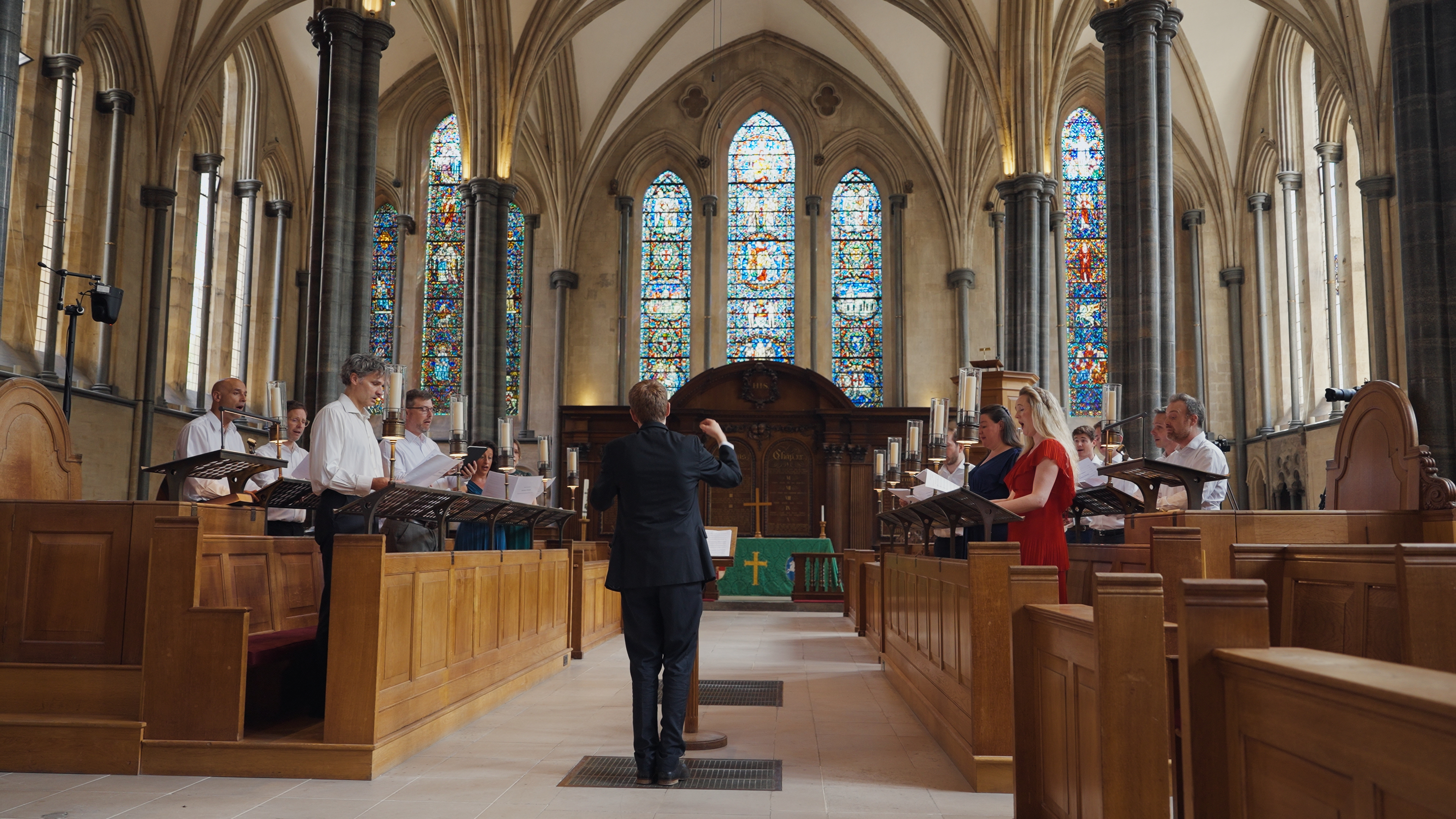
BEFORE
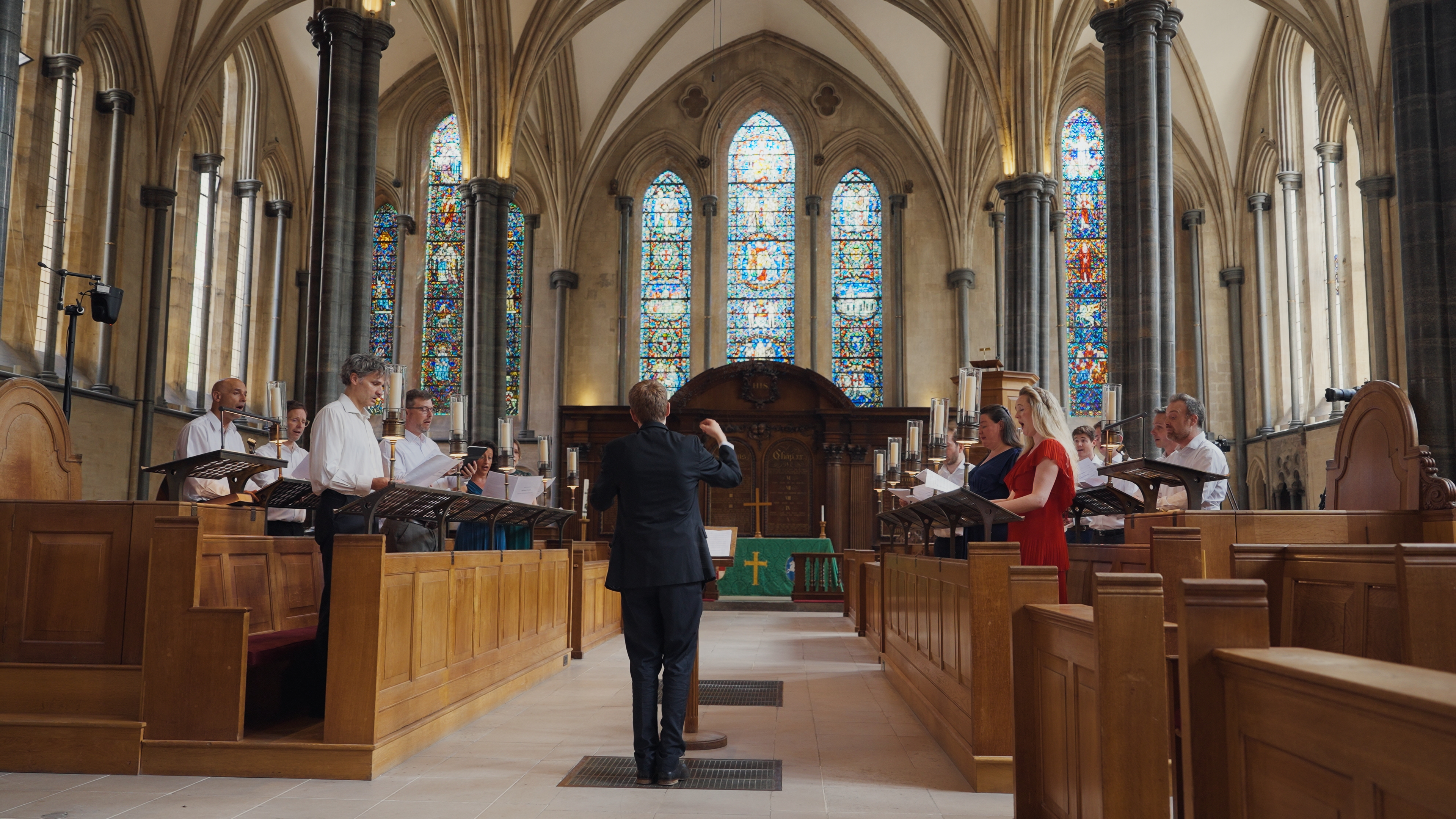
AFTER
LinearLens / DaVinci Resolve DCTLs
Linear Bloom builds highlight spread and veiling glare while source brightness is still represented linearly.
Demonstration
Each wipe uses one neutral frame from the demo set and the matching LinearLens output for this tool.
Example 01 / Linear Bloom
Example 02 / Linear Bloom


Example 03 / Linear Bloom


The science
Bloom and veiling glare come from light scattering inside the optical system and around very bright image-forming energy. The amount of contamination is related to the source itself, not merely to how bright that source looks after tone mapping.
Working before the development or display transform keeps very bright scene values distinct. That gives the bloom stage access to the intensity relationship that a later glow effect has largely lost.
Glow is often keyed from already rendered highlights and can produce a visibly composited halo. Linear Bloom is intended to behave as part of the image-forming chain, before those highlights have been compressed into a narrow display range.
A broader low-frequency component can let strong sources lift their surrounding field instead of creating only a tight halo.
Linear Bloom
Particularly useful for practical lights, windows, specular highlights, candles and stage lighting where a conventional post-render glow can feel detached from the source.
Design principle
The stage responds to the underlying scene-linear intensity before the display rendering stage.
Design principle
Tighter bloom and broader veiling behaviour can be balanced for different optical characters.
Design principle
The operation acts on linear RGB values rather than a gamma-compressed representation.
Design principle
Designed to remain useful around compact practicals and specular highlights as well as broad bright areas.
How to use
The DCTL does not need to own your colour management. Put the transforms around it: camera source into a suitable linear RGB representation, LinearLens in the middle, then into the colour-development space you want to grade in.
The important placement is the highlighted block: LinearLens belongs after you have made the image linear, and before the development, grading and film-look stages that intentionally reshape tonal values.
Use a Colour Space Transform, ACES transform or equivalent to get the image into a scene-linear RGB representation while retaining an appropriate gamut.
Place diffusion, bloom, CA, MTF sharpening or defocus here. If you use several, this is the optical-character section of the chain.
Transform onwards into the space used for camera matching, primary colour, creative looks and film emulation. Those stages can then work on an image whose optical character is already established.
Also available
The complete LinearLens suite is a lifetime licence and saves £50 against buying the five tools separately.
Buy the suite