Recording shaped around the music.
High-resolution location recording for concerts, sessions, albums and film.
I provide recording for classical, choral and acoustic music, from soloists and chamber groups to choir, orchestra and more complex multi-room productions. Some projects need a discreet setup - others need a larger approach. In each case, the recording method is built around the music, the space, and the final format the project needs to serve.
The aim is a finished result that sounds natural, clear and fully considered - whether that's for CD, digital release, live broadcast or film; in stereo, surround or Atmos.
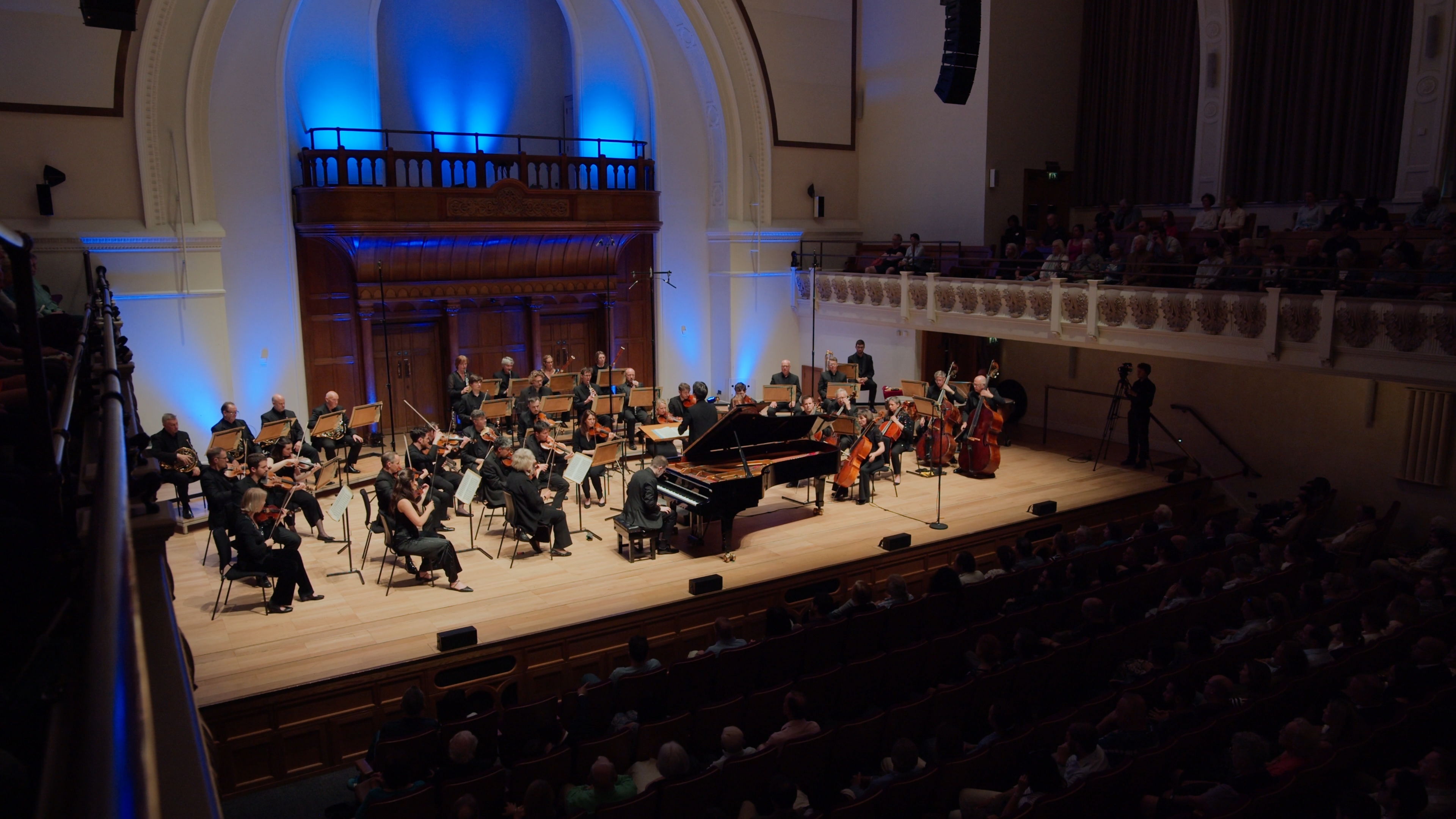
My recording philosophy
To make a good recording, it's important to approach it from a musical perspective; The repertoire, instrumentation, venue and type of media all affect how we tackle the recording. The right method for a chamber programme in a barn or manor is very different from a filmed concert in a church, a live broadcast, or a tightly controlled studio session.
Acoustic recording should be truthful. The listener should feel like they are in the room; hearing the character of the space, the detail of the performance and the whole and real sound of the instruments, but the result should hold together beautifully away from the venue.
That is why I think about recording as part of the full production arc. Good planning makes for better sessions, better sessions make for stronger edits. Stronger raw material leads to better mixes, masters and longevity. The final release is what matters, and the recording stage is where we give it the best possible foundation.
Just as importantly, the process needs to work for performers. Clear communication and a comfortable environment helps you to play more naturally, and that always leads to better records.
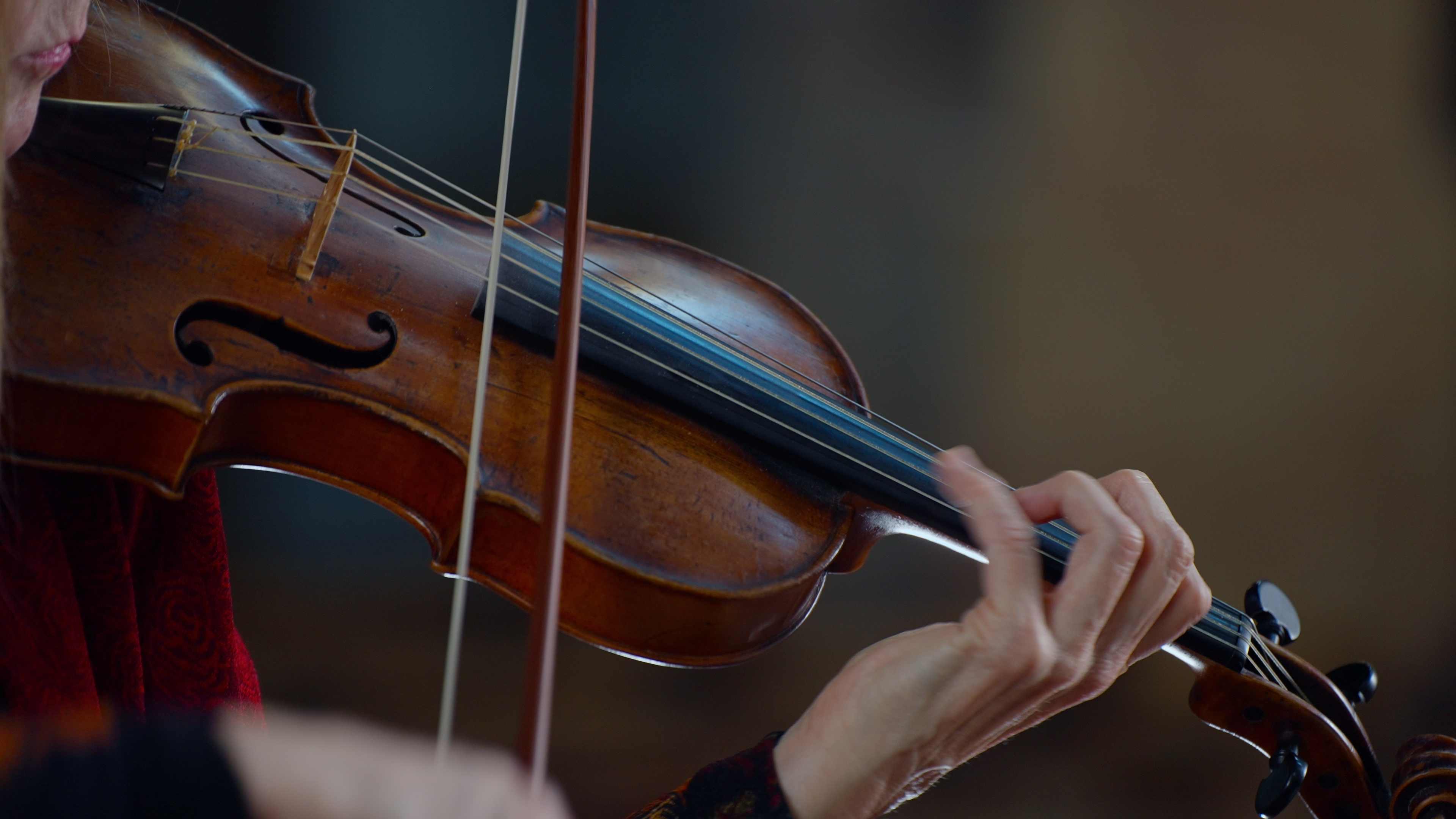
Any size of recording,
from solo violin to symphony orchestra
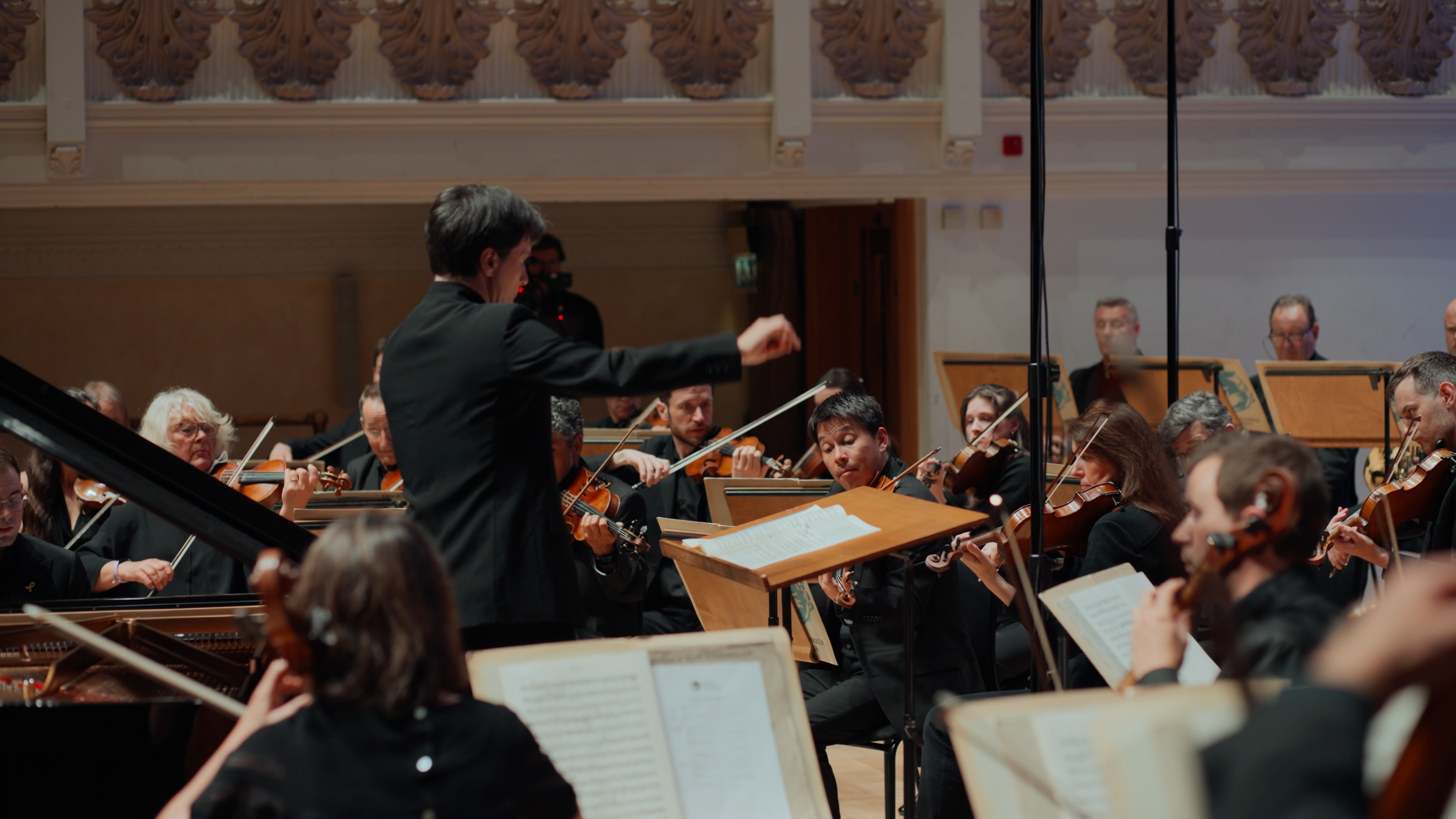
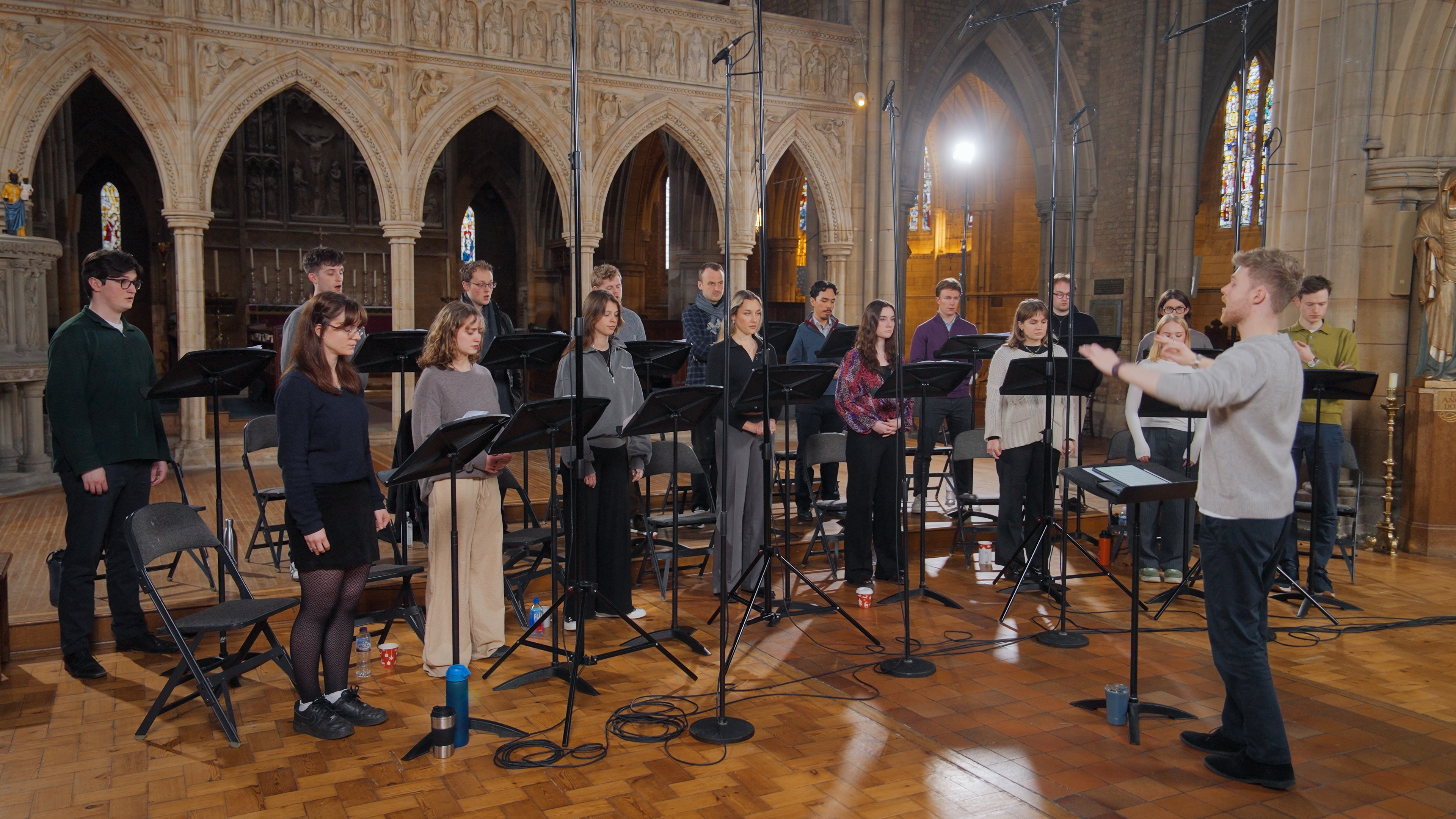
Why work with us?
Creating an environment that helps you give your best performances.
Fun sessions lead to better performances
Long takes, relaxed pacing and a positive atmosphere help musicians focus on the music rather than just the notes.
The sound is designed around the repertoire
Musical style, genre and venue all influence the recording plan. Microphone choices and positions are planned meticulously to support the music.
Bringing the studio to you
Our portable recording systems make it possible to record in spaces that suit the music properly. We preserve the relationship between instrument and acoustic, instead of trying to reconstruct everything later.
Any format required
Recording is planned with the release in mind from the outset, so the project moves forward cleanly into editing, mixing, mastering, with surround and immersive formats where needed.
Good planning improves the sound
Quick practical decisions around access, scheduling, repertoire, logistics and release format all affect the quality of the result, by providing more time to get into the playing. Good preparation also makes post-production quicker and more dependable.
Musicality over rigid precision
A convincing take, captured well, is usually worth far more than trying to manufacture life after the event. I would rather preserve musical flow and character than chase a technically tidy but emotionally flat result.
What this covers
- Live concert recording, either discreet or full scale
- Album and CD recording sessions for digital and physical release
- Sound for picture and integrated video capture
- High-resolution digital recording up to 192k24b
- Scalable system up to 192ch audio
- Producer/engineer available where required
- Atmos and immersive ready recordings
Particularly well suited to
- Early music, chamber music, choral and orchestral repertoire
- Projects with realism, clarity and high dynamic range
- Any venue, to access any acoustic
- High profile concerts or more intimate settings
- High-pressure or logistically complex productions
- Technically advanced projects with foldback, multiple live rooms or film
- National and international location work
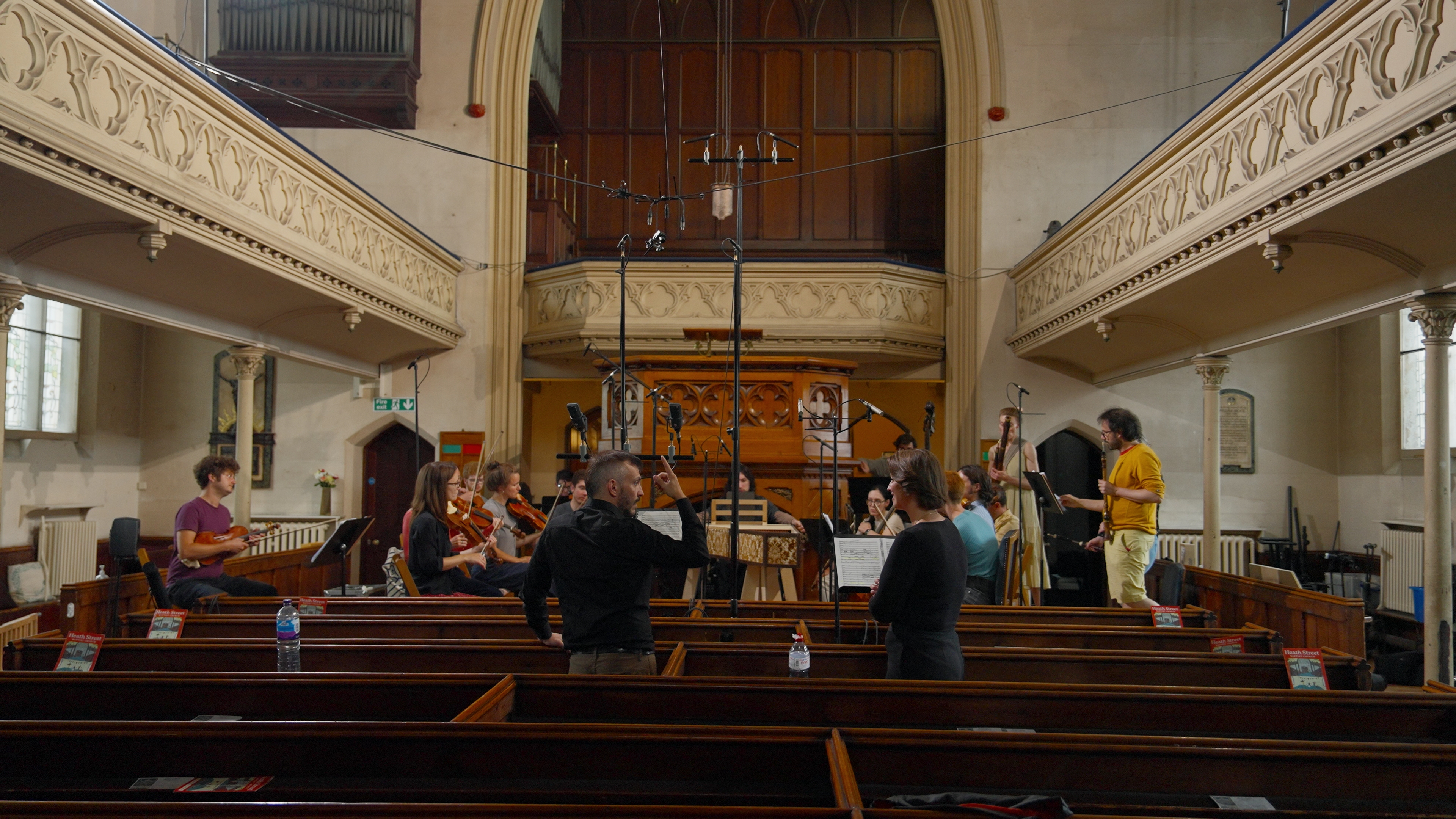
Preparation matters
Good results start well before the first note.
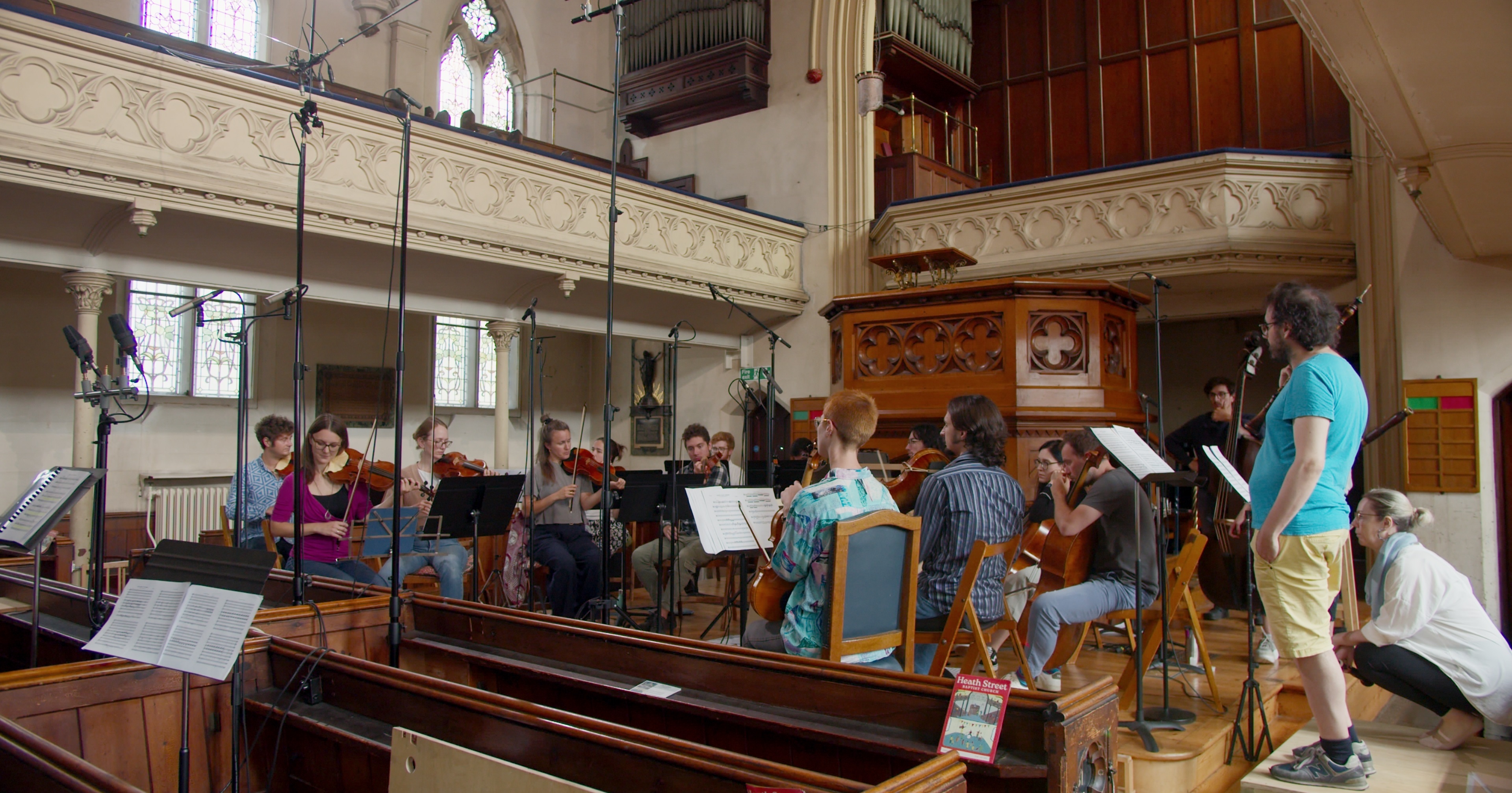
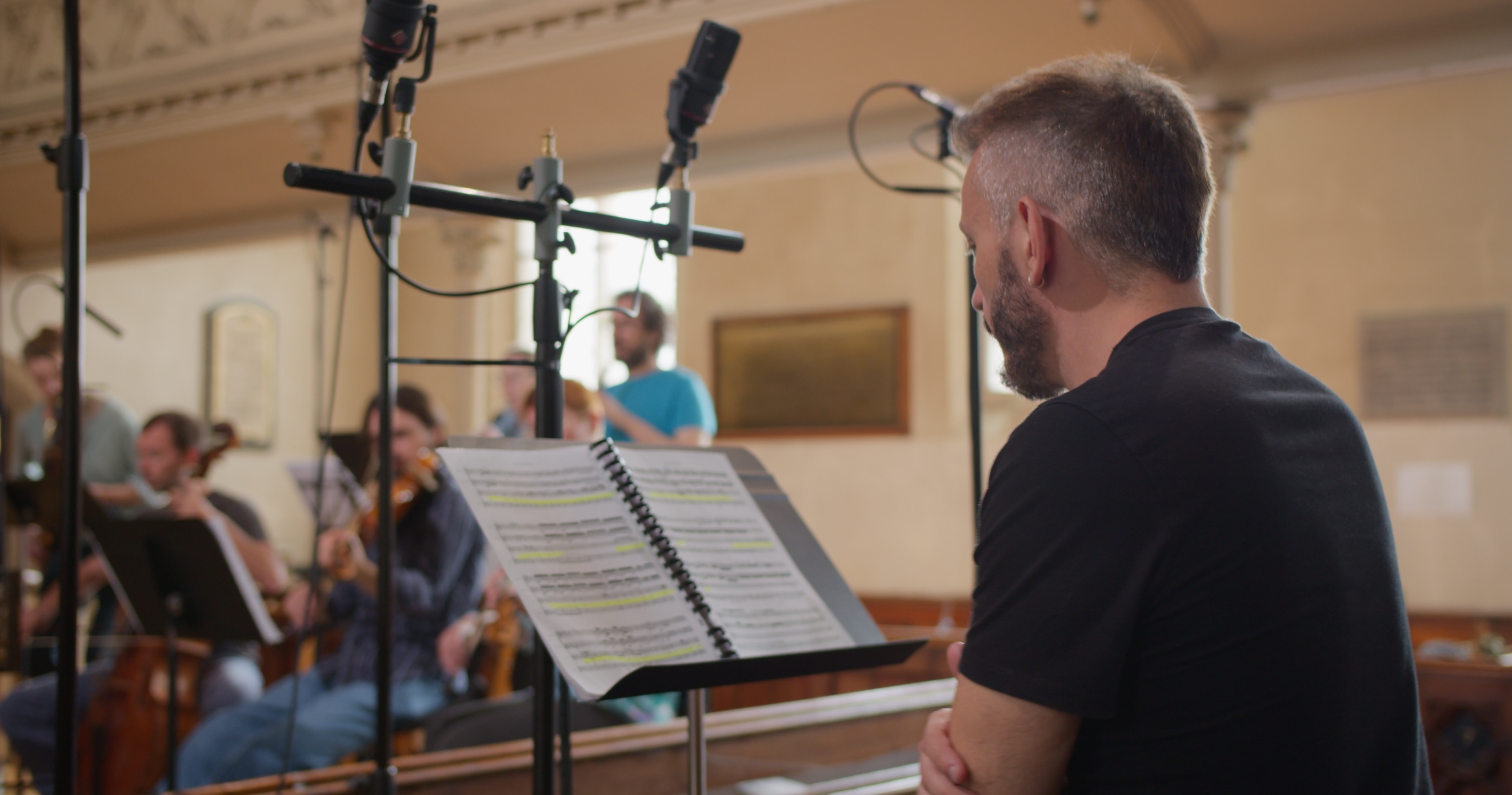
How the process works
Each project differs, but the underlying workflow is consistent: understand the musical brief, plan the recording properly, capture it securely, and move through post-production in a way that polishes what was achieved on the day.
Initial brief and quoting
The key information at the outset is repertoire, instrumentation, venue, access, timings, release format, post-production timeline and the parties involved. That gives enough context to propose an appropriate scale and workflow.
Pre-production and planning
Before the day, I look at the musical and practical shape of the project: venue logistics, session timings, control-room, musical requirements, and how these will affect the recording.
Recording Process
Repertoire, forces, space and eventual release format all help determine how the music should be recorded - whether the result should feel close or more distant, tight or spacious. Some projects want a very light touch, but others need some extra attention.
Session or concert capture
Concert days usually involve around 2.5 hours for setup and around 1.5 hours for pack down, with rehearsals recorded for possible patch material. Closed sessions typically work with a control room and live space, allowing producer and engineer to review takes and communicate clearly with performers over talkback.
Backup and archive
Concert recordings are captured with full redundancy, using up to three machines at high sample rates where necessary. Material is then backed up immediately to RAID storage and on spinning disk drives. We store the raw recording forever.
Editing, feedback and finishing
The first edit is assembled from the producer’s plan and then sent out with a feedback form. Comments are worked through - edits, tuning, mix, denoise, master - with later-stage comments held back where needed until the edit is approved. Once the edit is signed off, the mix and master follow.
Deliverables
- CD masters
- Stereo and high-resolution digital masters
- Surround mixes and masters
- Dolby Atmos mixes and masters
- Audio deliverables for film and video projects
- ADM (MFiT) certified mastering
- Multitrack materials retained for future format expansion
- Social-media-ready extracts
What helps in an initial enquiry
- Venue and location details
- Likely dates and timings
- Repertoire and instrumentation
- Whether the project is live, session-based or tied to picture
- How the release is intended to appear: CD, digital, radio, video, immersive or otherwise
- Any post-production deadlines or delivery milestones
- The main people or organisations involved
Frequently asked questions
Can you record live concerts?
Yes - either discreetly or at full scale, depending on the project and the practical constraints of the venue.
Can you work with limited rehearsal time?
Yes, though more rehearsal time allows for better sound checks and more useful backup capture. Extra preparation time usually improves the result.
Can you provide producer input as well as engineering?
Yes. Producer input is a normal part of many projects, and can be integrated directly into the session and post-production workflow.
Can the setup scale to different budgets?
Yes. The equipment, staffing and workflow can all be adjusted according to the aims and budget of the project.
Can you combine recording with filming or livestreaming?
Yes. Audio capture can be built into a wider picture or livestream plan from the outset.
Do you travel?
Yes - both nationally and internationally.
Planning a recording?
Send over the outline of the project - repertoire, forces, venue, dates, intended release format and timeline, and I can advise on a recording approach that fits both the music and the end result you need.