Editing that protects the performance.
Score-aware audio and video editing for recordings, concert films, releases and campaign assets.
Editing is where a project can either become more convincing or lose the thing that made it alive. I work from the musical shape first: continuity, intention, phrasing, breath, timing and energy. The technical work matters, but only because it helps the performance land more clearly.
The aim is an edit that feels inevitable - tidy where it needs to be, invisible where it should be, and honest enough that the result still sounds and feels like real musicians.
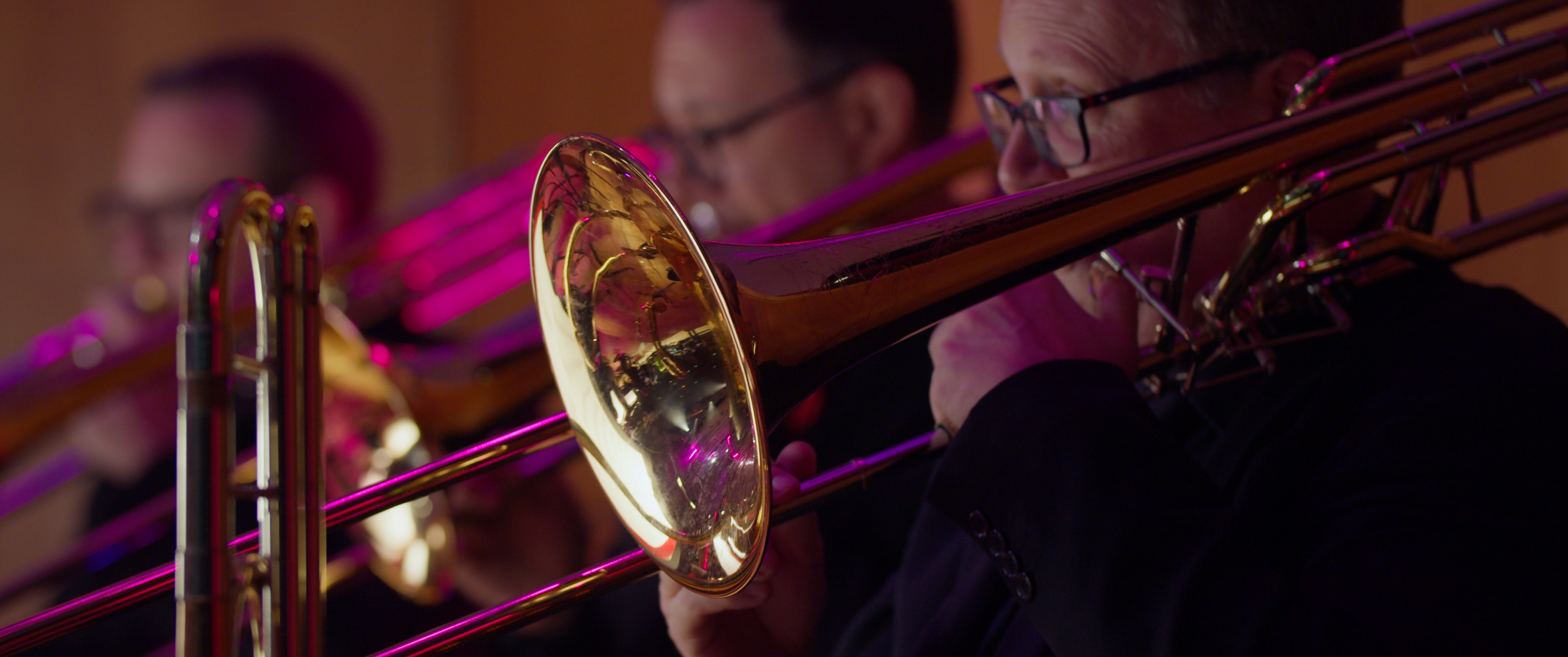
Editing is musical architecture
A good edit is not just a list of cuts. It is a way of preserving the best version of the performance: the confident take, the better cadence, the cleaner consonant, the stronger phrase, the visual moment that tells the truth of what happened.
That means the workflow needs to be calm and explicit. We separate musical sign-off from later technical stages where possible, keep revision rounds tidy, and avoid pushing mix, denoise, tuning or delivery decisions into the wrong part of the process.
The result should feel like nobody has been editing at all, which usually means the editing has been taken very seriously.
Detailed without losing flow
Clean edits should still breathe with the musicians.
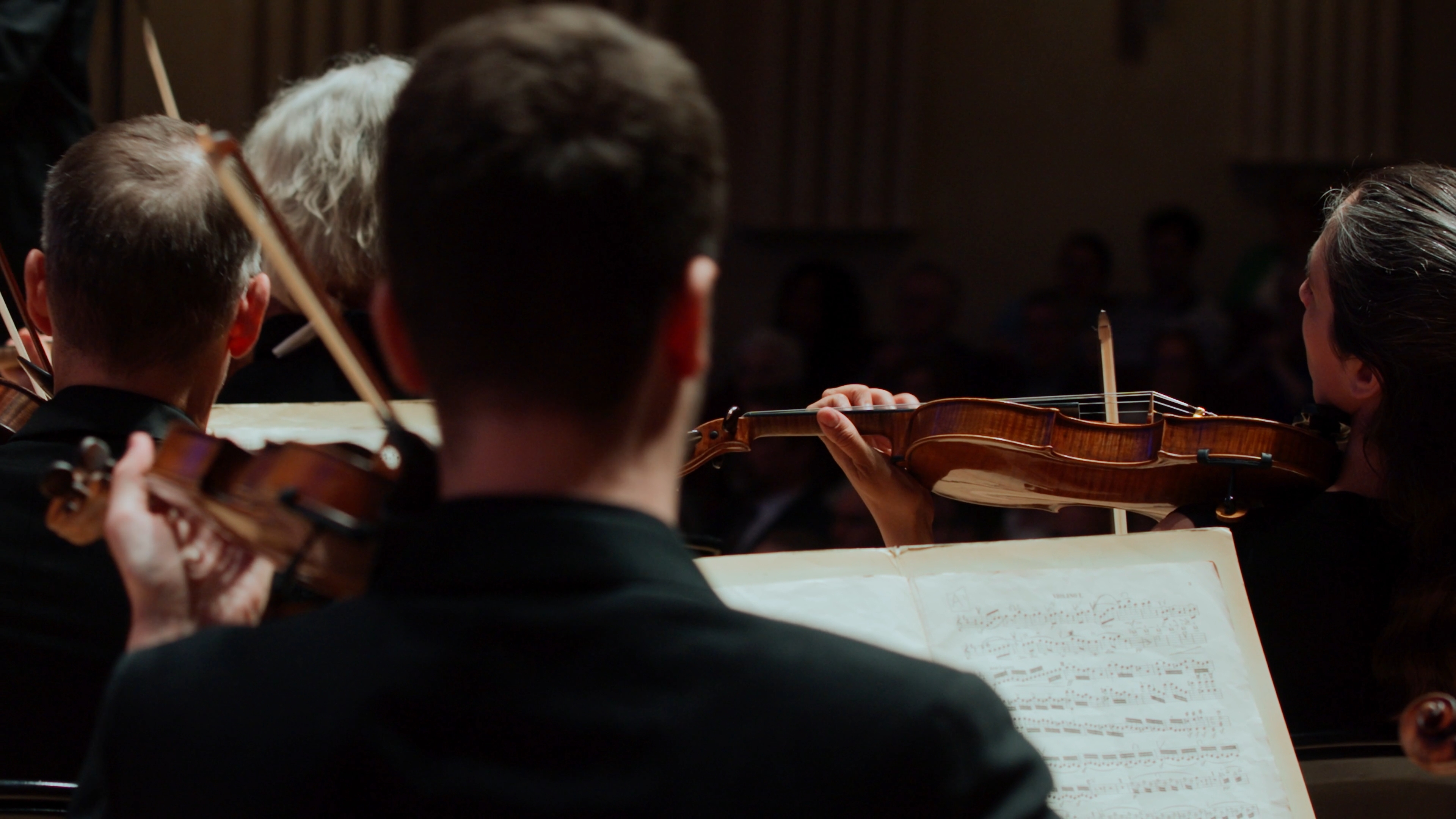
What we make
Finished edits that are ready for mix, master, picture, approval and delivery.
First edits
A coherent first pass from a producer plan, take list, score notes or session material, ready for focused musical review.
Patch and performance edits
Careful repair work that keeps timing, tone, room sound and musical intention consistent across takes.
Video edits
Picture edits for concerts, sessions, interviews, education resources and short-form release assets.
Cleanup and restoration
Sensible denoise, de-clicking and repair work where it helps the music without sterilising the recording.
Sync and conform
Audio-to-picture sync, edit conforms and practical handovers between recording, picture and final delivery.
Review-ready rounds
Drafts prepared so comments can be gathered clearly, compared against earlier versions and worked through without confusion.
What this covers
- Classical and acoustic music editing
- Score-led assembly from sessions or live concert patch material
- Take selection, comping, repairs and transitions
- Video editing for concert films, trailers and education material
- Audio sync, picture conform and version management
- Denoise, de-click and cleanup where appropriate
- Preparation for mix, master, delivery and archive
Particularly well suited to
- Projects with detailed producer or performer notes
- Albums that need the musical structure protected across many takes
- Choral, chamber and orchestral material where continuity is delicate
- Concert films with separately recorded audio
- Existing recordings that need careful rescue rather than heavy-handed processing
- Teams that need comments, approvals and versions kept under control
How the editing process works
Editing moves best when the stages are kept clear: gather the plan, assemble the edit, review the musical result, then only refine the technical finish once the structure is approved.
Material and notes
I gather the audio, video, score, take sheets, producer notes, timestamps and any previous drafts. The first job is to understand what the edit is trying to become.
Session prep
Files are checked, organised, synced where required and backed up. For larger projects this stage is what stops the edit becoming messy later.
Assembly edit
The first version follows the musical plan, building a continuous edit from the best material and making practical decisions where the source needs judgement.
Musical review
The edit is sent for comments. At this stage the focus is musical: notes, pacing, takes, cut points and whether the performance tells the right story.
Fixes and refinement
Approved comments are worked through, then practical cleanup, denoise, timing and sync details are handled in the right order.
Handover for finishing
Once the edit is signed off, it can move cleanly into mix, master, video export, delivery and archive without rebuilding the project from scratch.
Deliverables
- Edited session masters ready for mix or mastering
- Video edit drafts and final picture exports
- Synced audio and video timelines
- Cleaned and repaired audio files
- Revision notes and versioned review files
- Stems or edit project handovers where appropriate
- Archive-ready approved edits
What helps in an initial enquiry
- The type and amount of source material
- Any score, take sheet, timestamp list or producer notes
- Whether the edit is audio, video or both
- Current state of the project and any existing drafts
- Required review stages and sign-off deadline
- Known problems, repairs or sensitive sections
- The next stage after editing: mix, master, film export or delivery
Got material ready to shape?
Send the source format, the kind of edit you need, any notes already made, and the intended next stage. I can help set up a clear route from raw material to approved edit.